
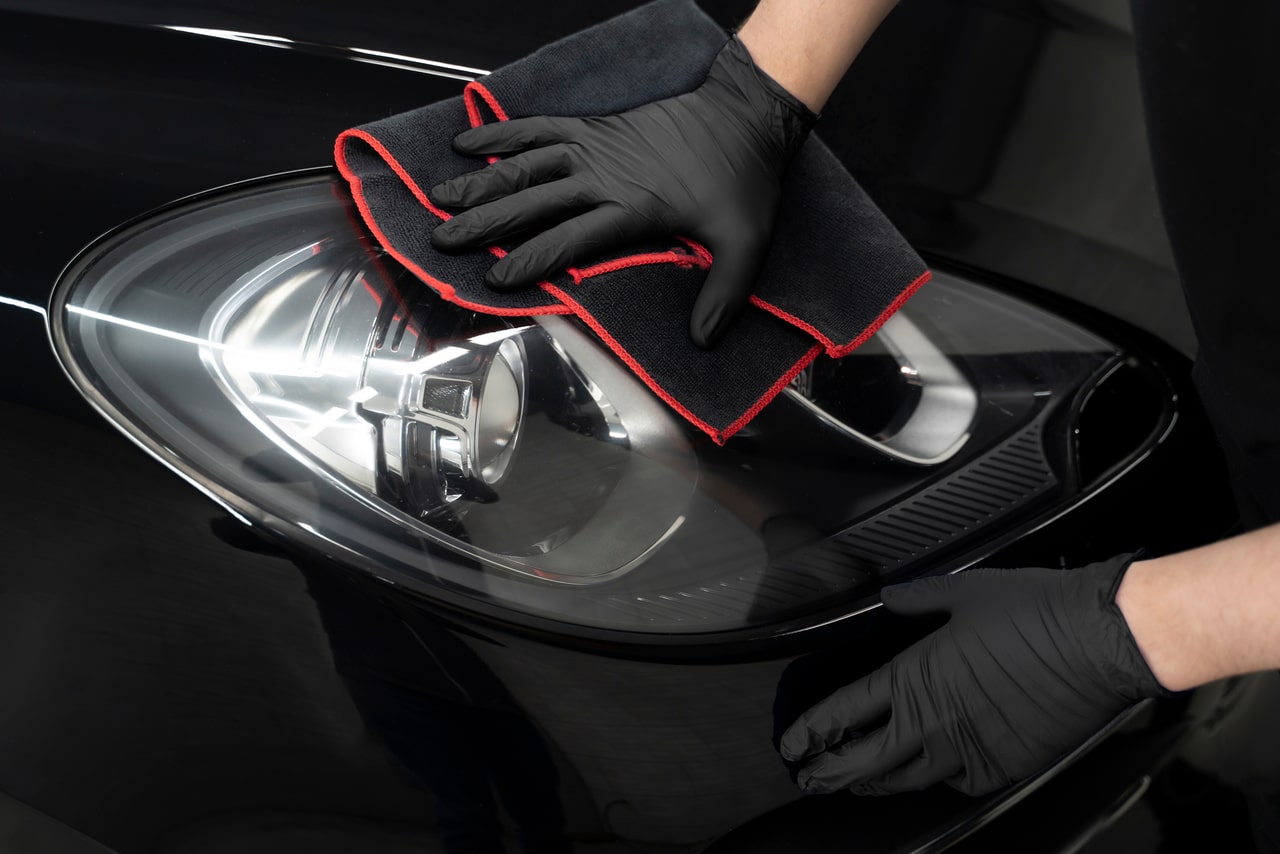
Washing a car may seem like a simple task to many people, but the truth is that improper washing methods can cause more damage to your car’s paint than you might imagine.
Whether you wash your car yourself at home or at a car wash station, it is important to know the common mistakes most drivers make and how to avoid them like professionals.
1. Using One Sponge for the Entire Car
Many people wash the entire car with a single sponge—from the tires all the way to the roof.
This is one of the biggest mistakes, as dirt and sand trapped in the lower areas are transferred to the paint, causing fine scratches (swirl marks) that are difficult to remove.
Tip:
Use two separate tools:
- One sponge dedicated to the exterior body.
- Another sponge used only for lower areas and wheels.
2. Using Dish Soap or Household Detergents
Dishwashing liquid or household cleaners are too harsh for car paint. They strip away natural oils and protective layers (wax or ceramic), leaving the paint dull and rough to the touch.
Tip:
Use a car-specific shampoo designed to remove dirt without damaging the paint or external protection.
3. Washing the Car Under Direct Sunlight
Water and soap dry quickly on a hot surface, leaving water spots and soap residue that are difficult to polish later.
Tip:
Wash your car in the shade or during early morning or before sunset, giving yourself enough time to rinse before the water dries.
4. Using a Regular Cloth for Drying
Kitchen towels or cotton cloths do not absorb water well and, worse, can leave fine scratches on the paint.
Tip:
Use a microfiber towel, as it is extremely soft and absorbs water efficiently without scratching the surface.
5. Ignoring Wheel and Tire Cleaning First
Washing the body before the wheels means that dirt and grease will be spread back onto the car during rinsing.
Tip:
Always start with the wheels and tires, then move to the body after completely removing lower-area dirt.
6. Using Extremely High Water Pressure Directly on the Paint
Using a very high-pressure water stream at close range can damage the paint or loosen sensitive parts such as badges, decals, or weak paint edges.
Tip:
Keep the water nozzle at a safe distance (about 50 cm) and move it steadily in a horizontal motion to avoid focusing on one spot.
7. Neglecting to Clean Washing Tools
Some people store the sponge after washing without cleaning it. This sponge collects sand and dirt, and when reused, it becomes a mobile scratching tool.
Tip:
Clean sponges and washing tools after every use and let them dry in a clean, dry place.
8. Not Drying the Car After Washing
Letting the car air-dry leaves water spots due to minerals and salts in the water.
Tip:
After rinsing, dry the car immediately using a microfiber towel or a dedicated air blower to remove water from gaps and corners.
9. Forgetting to Clean the Inside of Windows and Mirrors
Many people focus only on the exterior body, but interior windows and mirrors get dirty from dust and moisture, affecting visibility while driving.
Tip:
Use a car-specific glass cleaner with a clean, lint-free cloth, and wipe using circular motions.
10. Overwashing the Car
Frequent washing may seem beneficial, but excessive washing—especially with strong detergents—removes protective layers and weakens the paint.
Tip:
Washing the car once every two weeks is sufficient under normal conditions, with light water-only rinses in between when needed.
Conclusion
Car washing is not just “cleaning”—it is a skill that requires knowledge and precision to preserve paint quality and shine.
Avoid the mistakes mentioned above, use the right tools, and you will notice a significant difference in your car’s appearance and long-term protection.