
Nano-ceramic insulation or coating for cars can be considered as if you are giving your vehicle a transparent shield—one that protects the paint and exterior surfaces from daily damage while maintaining their appearance and shine as if the car were brand new. But what does that really mean? And is it worth the investment? Let’s dive into the details together.
What Is “Nano Ceramic”?
It is a very thin coating or film (at the nano level) applied to the car’s paint surface or exterior parts, forming a chemical or physical bond with the original paint, providing:
- Greater resistance to ultraviolet (UV) rays — protection against fading and discoloration.
- A highly water-repellent (hydrophobic) surface, where water forms droplets and slides off instead of sticking.
- Resistance to dirt adhesion, bird droppings, insects, acid rain droplets, and other elements that damage the paint.
- Increased gloss and deeper color enhancement.
Simply put, it is a step between traditional car polishing and installing full paint protection films or very thick protective layers. It is not a “trick,” but it is also not a “limitless dream.”
Why Might You Want It for Your Car?
The Benefits
- Protection from sun damage and oxidation: In regions with strong sunlight, this is extremely important. Nano ceramic reduces the harmful effects of the sun on the paint.
- Easier cleaning and lower maintenance: Thanks to its hydrophobic properties, washing the car becomes easier, as dirt and water slide off instead of sticking.
- Long-lasting shine and better resale value: A car that looks “clean and new” for a longer time is more attractive when it comes time to sell.
- An additional protective layer against fine scratches and chemical stains: While not “magical,” it provides solid protection against minor damage.
What You Should Know — The “But”
- The initial cost is higher than regular wax or basic protection.
- It is not a substitute for full protection solutions like PPF (Paint Protection Film), which protect against rock chips and gravel impacts. Some users say:
“Nano ceramic coating just makes the car easier to keep clean … but if you’re worried about rock chips … you’ll want paint protection film.”
- It requires excellent surface preparation before application: thorough cleaning, scratch removal, and polishing if needed. Otherwise, the coating will not bond properly.
- The protection does not last forever. Some sources estimate 2 to 5 years, depending on the product type and maintenance.
How Is It Applied?
The process usually follows these steps:
- Thorough washing and removal of contaminants (dust, insects, stains).
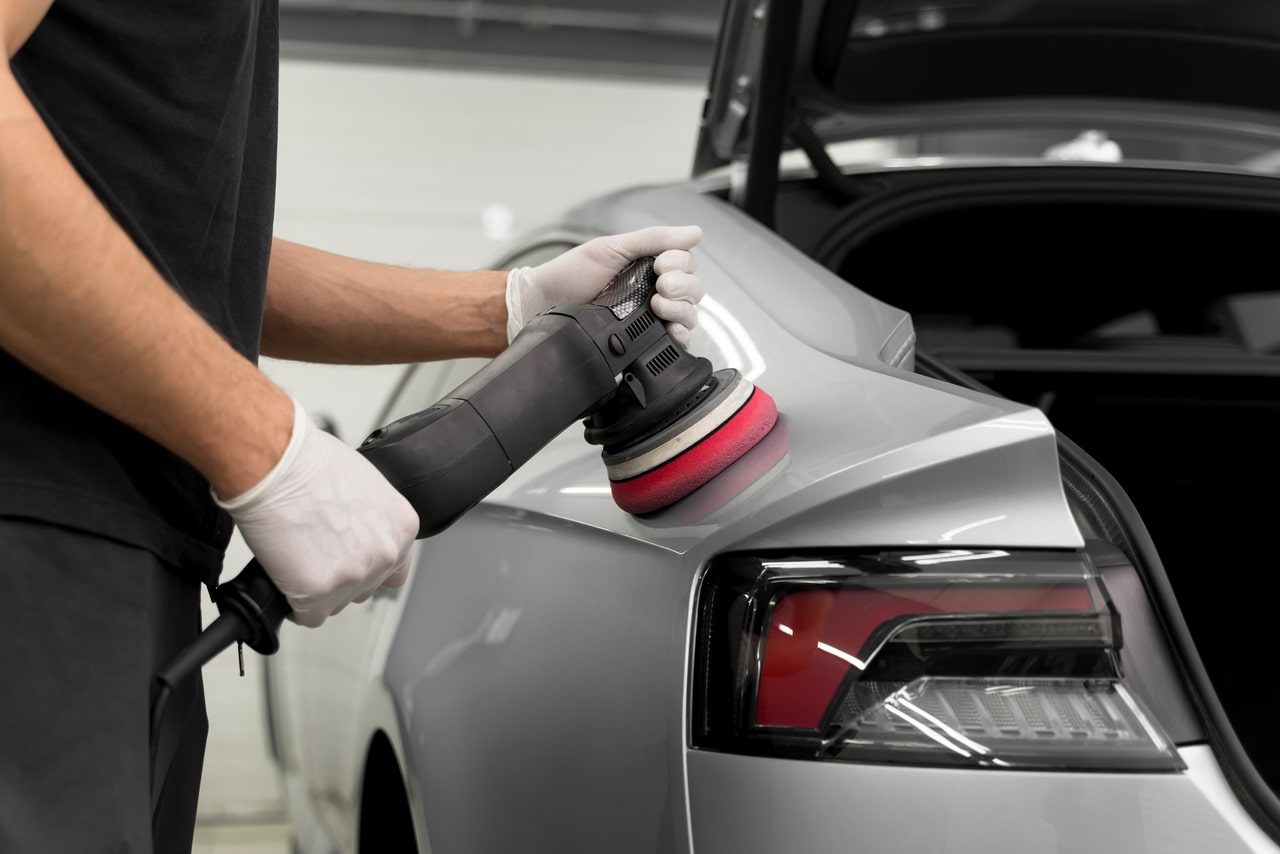
- Paint polishing if there are minor scratches or marks that affect bonding.
- Complete drying.
- Applying the ceramic coating in a shaded area with suitable temperature.
- Allowing it to “cure” or “react” for a specific period depending on the product (some require several hours).
- Avoid washing the car or exposing it to water for a defined period afterward (according to instructions).
Is It Worth the Investment?
The answer: Yes—but with conditions.
- If your car is relatively new or well-maintained and you want it to remain “beautiful” for as long as possible.
- If you live in harsh climate conditions (strong sun, dust, birds, dirt), as is common in many Arab regions.
- If you are willing to pay the upfront cost and properly care for the car (correct washing methods, avoiding harsh chemicals).
However, if your budget is very limited or the car is very old with poor paint condition, it may be better to first restore the paint or choose a lower-cost protection option such as silicone or premium wax.
Conclusion
Nano ceramic is not merely a “luxury,” but a smart investment to protect a car from factors that reduce its appearance and value over time. If you care about your vehicle and want it to look as though it just left the showroom, this is an option well worth considering.