
Is Thermal Insulation Worth the Investment? Here’s Everything You Need to Know
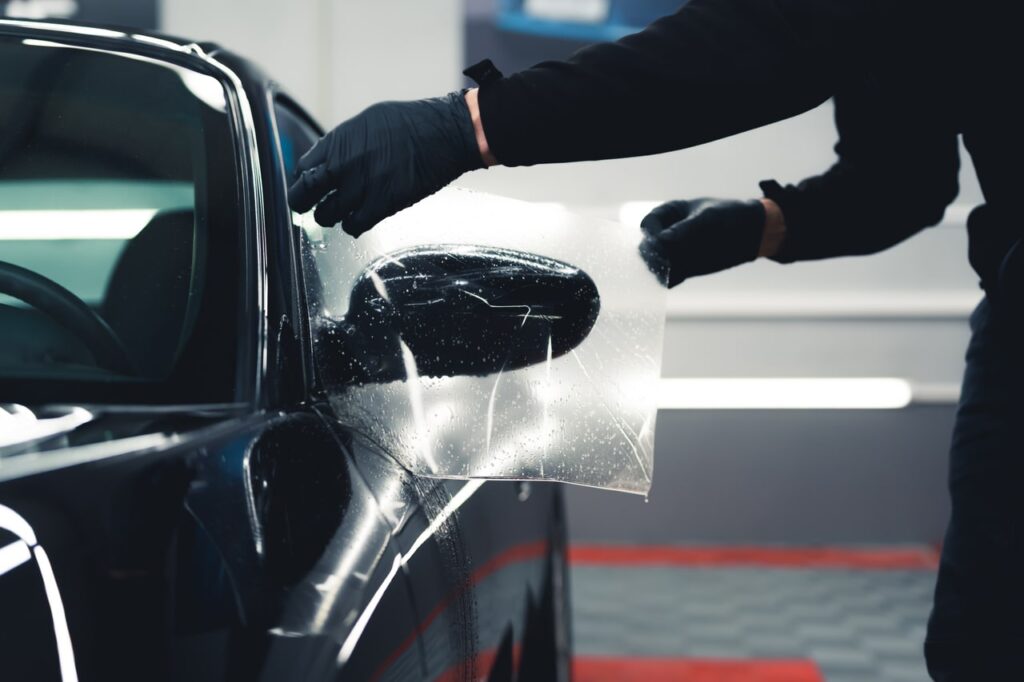
With rising temperatures—especially during the summer—getting into a car that has been parked under the sun becomes a truly uncomfortable experience. This is where automotive thermal insulation comes in as an effective solution to reduce heat inside the cabin. But the question remains: Is it really worth the investment? In this article, we explain everything you need to know before making a decision. What Is Automotive Thermal Insulation? Thermal insulation (or heat tinting) is a transparent or semi-transparent film applied to the inside of a car’s windows. Its primary function is to reflect or absorb harmful solar radiation, especially ultraviolet (UV) and infrared (IR) rays, which are the main cause of heat buildup inside the vehicle. Why Is Thermal Insulation Considered a Smart Investment? 1. Higher Thermal Comfort Inside the Car Thermal insulation can reduce heat entry by up to 60–80%, making the interior temperature significantly lower, especially after parking in the sun for long periods. Simply put, the car’s air conditioner won’t need to operate at maximum power all the time. 2. Reduced Fuel Consumption When the air conditioning system works less, the engine consumes less fuel. The daily difference may seem small, but over time it accumulates into real savings. 3. Protection of the Car’s Interior from Damage Ultraviolet rays cause leather and fabric to fade and can lead to dashboard cracking. Thermal insulation protects the interior and extends its lifespan. 4. Health Protection Prolonged exposure to UV rays inside the car can harm the skin and eyes. Thermal insulation can block up to 99% of these harmful rays. 5. Elegant Appearance and Enhanced Privacy In addition to thermal benefits, insulation adds a premium, elegant look to the vehicle and increases privacy without affecting visibility from inside to outside—especially with modern film types. Types of Automotive Thermal Insulation Dyed Film: The most affordable option. It relies on dye to reduce light but does not reflect heat effectively. Metalized Film: Contains a metallic layer that reflects heat efficiently, but it may interfere with mobile phone or GPS signals. Carbon Film: Provides excellent thermal insulation without affecting signals, with a stylish, non-reflective appearance. Ceramic Film: The newest and best option. It reflects heat and UV rays with very high efficiency and offers clear visibility even at night—however, it is the most expensive type. Drawbacks and Points to Consider Initial Cost: Premium options such as ceramic film can be relatively expensive. Improper Installation: If not installed professionally, bubbles or peeling may appear after a short period. Local Regulations: Some countries regulate the allowed tint level, so make sure the insulation complies with traffic laws. Is Thermal Insulation Worth the Investment? The simple answer: Yes—absolutely. Thermal insulation is not just about appearance; it provides comfort, protection, and long-term savings. In a hot and sunny environment like ours, installing thermal insulation is not a luxury but a necessity for every driver who cares about their vehicle and personal comfort. Tips Before Installing Thermal Insulation Choose a trusted company that offers a genuine warranty against peeling or color change. Ask about the infrared rejection (IR rejection) rate, not just the tint percentage. Make sure the insulation is approved by traffic authorities to avoid fines. Avoid opening the windows for 48 hours after installation to ensure proper film adhesion.
Nano Ceramic: Your Car’s Invisible Shield
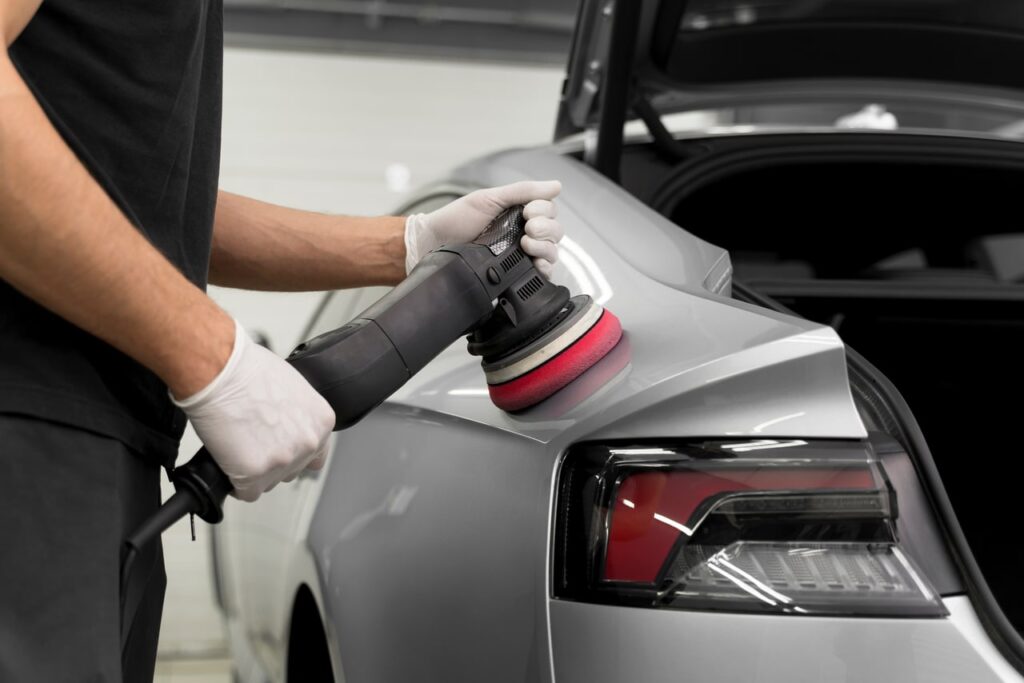
Nano-ceramic insulation or coating for cars can be considered as if you are giving your vehicle a transparent shield—one that protects the paint and exterior surfaces from daily damage while maintaining their appearance and shine as if the car were brand new. But what does that really mean? And is it worth the investment? Let’s dive into the details together. What Is “Nano Ceramic”? It is a very thin coating or film (at the nano level) applied to the car’s paint surface or exterior parts, forming a chemical or physical bond with the original paint, providing: Greater resistance to ultraviolet (UV) rays — protection against fading and discoloration. A highly water-repellent (hydrophobic) surface, where water forms droplets and slides off instead of sticking. Resistance to dirt adhesion, bird droppings, insects, acid rain droplets, and other elements that damage the paint. Increased gloss and deeper color enhancement. Simply put, it is a step between traditional car polishing and installing full paint protection films or very thick protective layers. It is not a “trick,” but it is also not a “limitless dream.” Why Might You Want It for Your Car? The Benefits Protection from sun damage and oxidation: In regions with strong sunlight, this is extremely important. Nano ceramic reduces the harmful effects of the sun on the paint. Easier cleaning and lower maintenance: Thanks to its hydrophobic properties, washing the car becomes easier, as dirt and water slide off instead of sticking. Long-lasting shine and better resale value: A car that looks “clean and new” for a longer time is more attractive when it comes time to sell. An additional protective layer against fine scratches and chemical stains: While not “magical,” it provides solid protection against minor damage. What You Should Know — The “But” The initial cost is higher than regular wax or basic protection. It is not a substitute for full protection solutions like PPF (Paint Protection Film), which protect against rock chips and gravel impacts. Some users say: “Nano ceramic coating just makes the car easier to keep clean … but if you’re worried about rock chips … you’ll want paint protection film.” It requires excellent surface preparation before application: thorough cleaning, scratch removal, and polishing if needed. Otherwise, the coating will not bond properly. The protection does not last forever. Some sources estimate 2 to 5 years, depending on the product type and maintenance. How Is It Applied? The process usually follows these steps: Thorough washing and removal of contaminants (dust, insects, stains). Paint polishing if there are minor scratches or marks that affect bonding. Complete drying. Applying the ceramic coating in a shaded area with suitable temperature. Allowing it to “cure” or “react” for a specific period depending on the product (some require several hours). Avoid washing the car or exposing it to water for a defined period afterward (according to instructions). Is It Worth the Investment? The answer: Yes—but with conditions. If your car is relatively new or well-maintained and you want it to remain “beautiful” for as long as possible. If you live in harsh climate conditions (strong sun, dust, birds, dirt), as is common in many Arab regions. If you are willing to pay the upfront cost and properly care for the car (correct washing methods, avoiding harsh chemicals). However, if your budget is very limited or the car is very old with poor paint condition, it may be better to first restore the paint or choose a lower-cost protection option such as silicone or premium wax. Conclusion Nano ceramic is not merely a “luxury,” but a smart investment to protect a car from factors that reduce its appearance and value over time. If you care about your vehicle and want it to look as though it just left the showroom, this is an option well worth considering.
Common Car Washing Mistakes – And How to Avoid Them Like a Pro
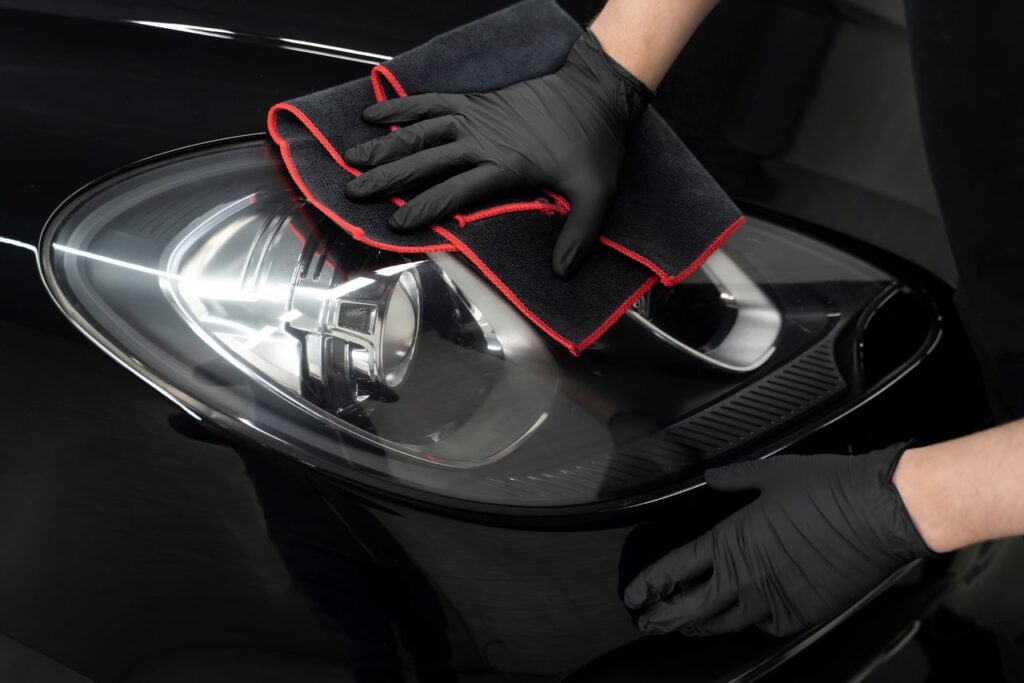
Washing a car may seem like a simple task to many people, but the truth is that improper washing methods can cause more damage to your car’s paint than you might imagine. Whether you wash your car yourself at home or at a car wash station, it is important to know the common mistakes most drivers make and how to avoid them like professionals. 1. Using One Sponge for the Entire Car Many people wash the entire car with a single sponge—from the tires all the way to the roof. This is one of the biggest mistakes, as dirt and sand trapped in the lower areas are transferred to the paint, causing fine scratches (swirl marks) that are difficult to remove. Tip: Use two separate tools: One sponge dedicated to the exterior body. Another sponge used only for lower areas and wheels. 2. Using Dish Soap or Household Detergents Dishwashing liquid or household cleaners are too harsh for car paint. They strip away natural oils and protective layers (wax or ceramic), leaving the paint dull and rough to the touch. Tip: Use a car-specific shampoo designed to remove dirt without damaging the paint or external protection. 3. Washing the Car Under Direct Sunlight Water and soap dry quickly on a hot surface, leaving water spots and soap residue that are difficult to polish later. Tip: Wash your car in the shade or during early morning or before sunset, giving yourself enough time to rinse before the water dries. 4. Using a Regular Cloth for Drying Kitchen towels or cotton cloths do not absorb water well and, worse, can leave fine scratches on the paint. Tip: Use a microfiber towel, as it is extremely soft and absorbs water efficiently without scratching the surface. 5. Ignoring Wheel and Tire Cleaning First Washing the body before the wheels means that dirt and grease will be spread back onto the car during rinsing. Tip: Always start with the wheels and tires, then move to the body after completely removing lower-area dirt. 6. Using Extremely High Water Pressure Directly on the Paint Using a very high-pressure water stream at close range can damage the paint or loosen sensitive parts such as badges, decals, or weak paint edges. Tip: Keep the water nozzle at a safe distance (about 50 cm) and move it steadily in a horizontal motion to avoid focusing on one spot. 7. Neglecting to Clean Washing Tools Some people store the sponge after washing without cleaning it. This sponge collects sand and dirt, and when reused, it becomes a mobile scratching tool. Tip: Clean sponges and washing tools after every use and let them dry in a clean, dry place. 8. Not Drying the Car After Washing Letting the car air-dry leaves water spots due to minerals and salts in the water. Tip: After rinsing, dry the car immediately using a microfiber towel or a dedicated air blower to remove water from gaps and corners. 9. Forgetting to Clean the Inside of Windows and Mirrors Many people focus only on the exterior body, but interior windows and mirrors get dirty from dust and moisture, affecting visibility while driving. Tip: Use a car-specific glass cleaner with a clean, lint-free cloth, and wipe using circular motions. 10. Overwashing the Car Frequent washing may seem beneficial, but excessive washing—especially with strong detergents—removes protective layers and weakens the paint. Tip: Washing the car once every two weeks is sufficient under normal conditions, with light water-only rinses in between when needed. Conclusion Car washing is not just “cleaning”—it is a skill that requires knowledge and precision to preserve paint quality and shine. Avoid the mistakes mentioned above, use the right tools, and you will notice a significant difference in your car’s appearance and long-term protection.
What’s the Difference Between Paint Protection Film (PPF) and Nano Coating?
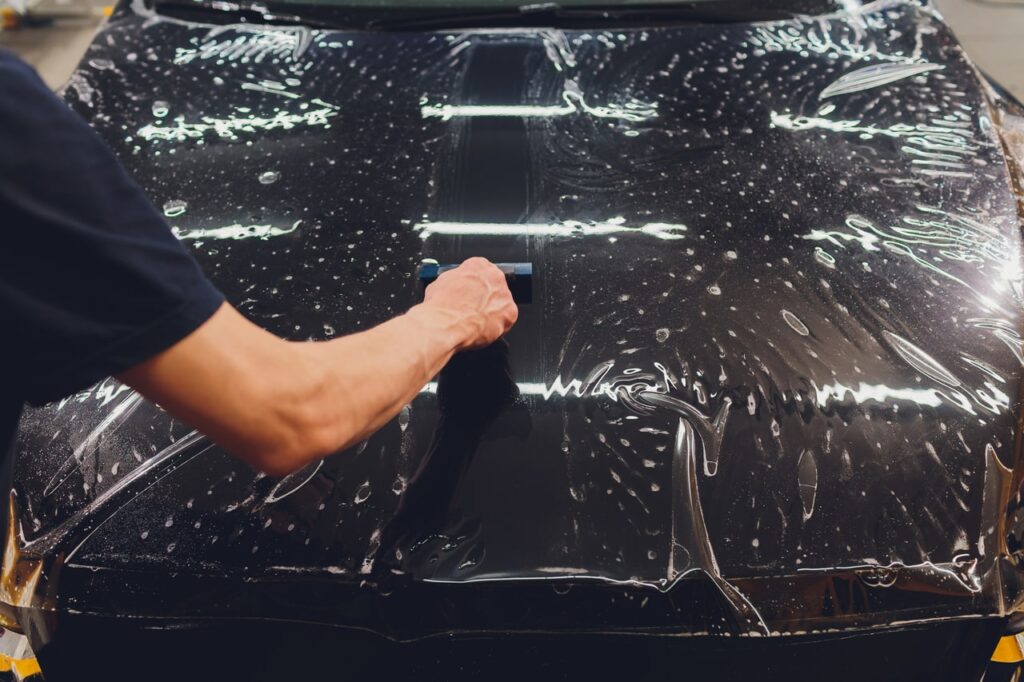
If you care about your car and want to keep it looking shiny as if it just rolled out of the showroom, you’ve probably heard about Paint Protection Film (PPF) and Nano Ceramic Coating. However, many people confuse the two, even though each serves a completely different purpose. Let’s simply clarify the difference so you can choose what’s best for your car 👇 First: What Is Paint Protection Film (PPF)? Paint Protection Film is a transparent, flexible plastic layer installed on the exterior body of the car. Its primary function is to absorb impacts and scratches caused by gravel, doors, or washing tools. Think of it as a physical shield that protects the original paint from physical damage. Advantages: Protects the paint from scratches, stone chips, and abrasions. Has self-healing capability, meaning minor scratches disappear when exposed to heat or sunlight. Can be removed later without affecting the original paint. Keeps the car looking new for years. Disadvantages: Relatively expensive compared to other coating solutions. Requires highly professional installation to avoid bubbles or exposed edges. May degrade over time if exposed to strong sunlight without proper care. Second: What Is Nano Ceramic Coating? Nano ceramic coating is a transparent liquid material applied to the car’s paint. It reacts with the surface to form a very hard, smooth layer that is resistant to water and dirt. However, it is not considered a physical shield like PPF. Think of it as a chemical shield that gives the paint deep gloss and resistance to environmental factors. Advantages: Provides striking shine and excellent color depth. Makes the surface water- and dust-repellent (hydrophobic effect). Protects against sunlight and oxidation that cause color fading. Makes washing easier and prevents dirt from sticking. Disadvantages: Does not protect against deep scratches or stone impacts. Requires precise surface preparation before application and special care afterward. Its effectiveness depends on product quality and professional application. Quick Comparison Feature Paint Protection Film (PPF) 🧩 Nano Ceramic Coating ✨ Type of protection Physical (against scratches & impacts) Chemical (against rays & water) Shine & appearance Natural, sometimes less glossy High gloss and deep color Approximate lifespan 5–10 years 2–5 years Removability Yes, removable No, only removable by polishing or sanding Cost Higher Lower Ideal for Those who want maximum protection Those who want lasting shine and elegance Which Option Is Best for Your Car? It depends on your needs and budget: If you want maximum protection from scratches and stone chips, choose Paint Protection Film (PPF). If you’re looking for stunning shine and easy cleaning without physical impact protection, choose Nano Ceramic Coating. The ideal solution for true car enthusiasts is combining both: Install PPF first, then apply nano coating on top—giving you a double shield: protection and shine at the same time. Conclusion Whether you choose paint protection film or nano coating, the most important factors are professional installation and regular maintenance. This way, you ensure your car stays shiny, protected, and eye-catching wherever you go.
How to Keep Your Car Shiny for the Longest Possible Time
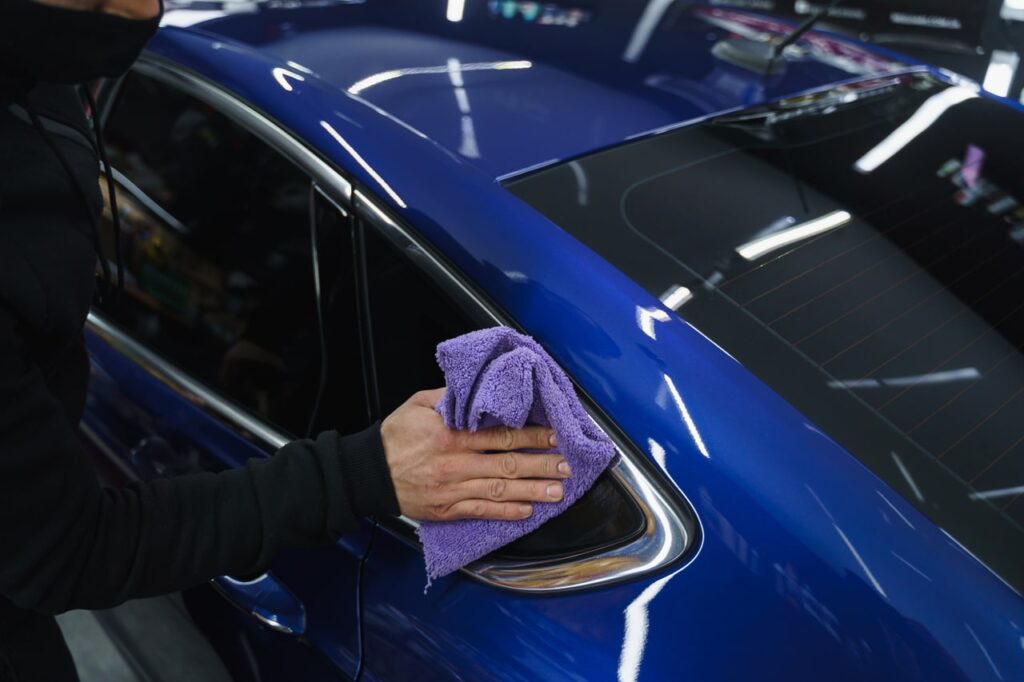
Shine is the first thing that catches the eye in any car. Unfortunately, it is also one of the aspects most affected by external factors such as sunlight, dust, and humidity. Maintaining your car’s shine does not rely solely on washing, but rather on proper care habits that protect the paint and prevent it from deteriorating over time. In this article, we highlight the most important practical steps to help you maintain your car’s shine for as long as possible. 1. Wash Your Car the Right Way Incorrect washing is the number one reason behind loss of shine. Using a dirty sponge or non-car-specific soap causes fine scratches in the paint. Make sure to: Wash the car in the shade to prevent water from evaporating quickly and leaving spots. Use a dedicated car shampoo, not household dish soap. Dry the car after washing with a soft microfiber towel to avoid scratches. 2. Do Not Leave Dirt for Long Periods Bird droppings, insect residues, and road oils all contain chemical substances that weaken the paint layer if left for too long. Clean them immediately using a gently damp cloth before they harden or leave permanent marks. 3. Use Wax or Protective Coating Regularly A wax layer acts as a protective shield between the paint and external elements. It is recommended to polish the car and apply a wax layer every 3 to 4 months, or use a nano ceramic coating that provides protection lasting several years. This step preserves shine and reduces the adhesion of dust and water to the surface. 4. Avoid Frequent Washing at Car Wash Stations Automated or unprofessional car washes may use harsh brushes or strong detergents that gradually remove the protective layer. If you must use a car wash station, choose a reputable place known for attention to detail, and request hand washing whenever possible. 5. Use a Car Cover During Long Parking Periods Direct sunlight and dust are the primary enemies of car paint. If the car is parked outdoors for long periods, use a soft, dedicated car cover to protect it from ultraviolet rays and fine dust. 6. Do Not Neglect Interior and Exterior Paint Maintenance Over time, even the highest-quality paint can oxidize and lose its shine. You can restore gloss by polishing the car with specialized compounds every one to two years at a professional detailing center. This process removes the oxidized surface layer and restores the paint’s original depth and shine. 7. Monitor the Quality of Water Used for Washing Hard water (containing salts and minerals) leaves white spots on the paint after drying. For this reason, it is preferable to use purified water or a demineralizer during washing, especially if you wash your car at home. 8. Handle Your Car Gently Exterior paint is not resistant to everything. Avoid placing bags or tools on the surface, and never wipe the car with a dry, dusty cloth, as this can easily scratch the paint. Conclusion Maintaining your car’s shine does not require great effort—only correct habits and regular care. Wash it properly, protect it from the sun, use wax or nano ceramic coating, and avoid random or careless washing. By following these steps, you will keep your car shiny for many years and always enjoy the look of a brand-new vehicle.
The Complete Guide to Choosing the Right Car Care Package
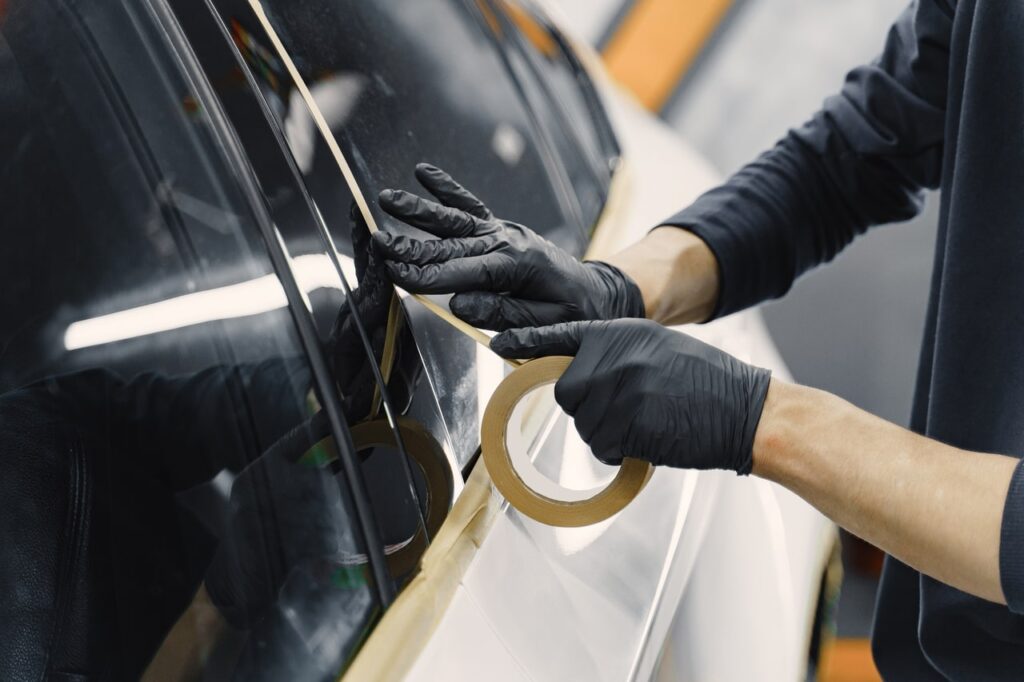
Car care is no longer a luxury—it has become a necessity to maintain a vehicle’s appearance and value over time. However, with the wide variety of care packages offered by service centres, you may find yourself wondering: Which packages are truly worth it? And which one suits your car best? In this guide, we will help you understand the different types of packages and how to choose the one that fits your needs and budget. First: What Are Car Care Packages? Car care packages are bundles of services designed to maintain the vehicle’s exterior and interior appearance. They typically include: Comprehensive exterior and interior washing Paint polishing and removal of surface scratches Paint protection using wax or nano ceramic coating Seat and upholstery cleaning using steam or specialised products Tire and rim polishing Interior deodorising and refreshing the cabin appearance Second: Types of Car Care Packages 1. Basic Care Package Suitable for monthly or weekly use. It usually includes exterior washing, drying, and light polishing, along with basic interior cleaning. Suitable for: New vehicles or cars used daily in relatively clean environments. 2. Premium Care Package Includes deeper interior cleaning and professional paint polishing with light protection, such as wax. Suitable for: Those who want a consistently glossy appearance without the need for long-term protection. 3. Ultimate Protection Package The most comprehensive option, typically including: Application of nano ceramic coating or Paint Protection Film (PPF) Multi-stage polishing to remove fine imperfections Deep interior cleaning and treatment of leather surfaces Suitable for: New or luxury vehicles, or for those seeking long-lasting protection that extends for years. Third: How to Choose the Right Package 1. Evaluate Your Car’s Condition Is the paint dull? Are the seats dirty or the rims worn? The greater the wear, the more you will need advanced care packages. 2. Define Your Care Objective If your goal is regular cleanliness, choose the Basic Care Package. If you are looking for shine that lasts for several months, the Premium Care Package is the best option. If you want real protection and a long-term investment, the Ultimate Protection Package is your ideal choice. 3. Consider Your Budget and Usage Pattern A car parked daily under the sun is different from one kept in a garage. High-protection packages (such as nano ceramic) may cost more initially, but they can save you on frequent maintenance costs in the long run. Fourth: Tips Before Choosing a Package Ensure the service centre has a good reputation and experienced technicians in applying protective materials. Ask for a clear breakdown of the services included in the package before approving it. Check the type and quality of materials used (wax, ceramic, cleaning products). Do not be tempted by a very low price—it often reflects a difference in quality or durability. Conclusion Choosing the right car care package is a smart decision that protects your investment in your vehicle. Start by evaluating your needs, then select the package that offers the best balance between protection, appearance, and cost. Remember: a car that receives regular care is not only more attractive but also retains its market value for a much longer time.