
With rising temperatures—especially during the summer—getting into a car that has been parked under the sun becomes a truly uncomfortable experience. This is where automotive thermal insulation comes in as an effective solution to reduce heat inside the cabin.
But the question remains: Is it really worth the investment?
In this article, we explain everything you need to know before making a decision.
What Is Automotive Thermal Insulation?
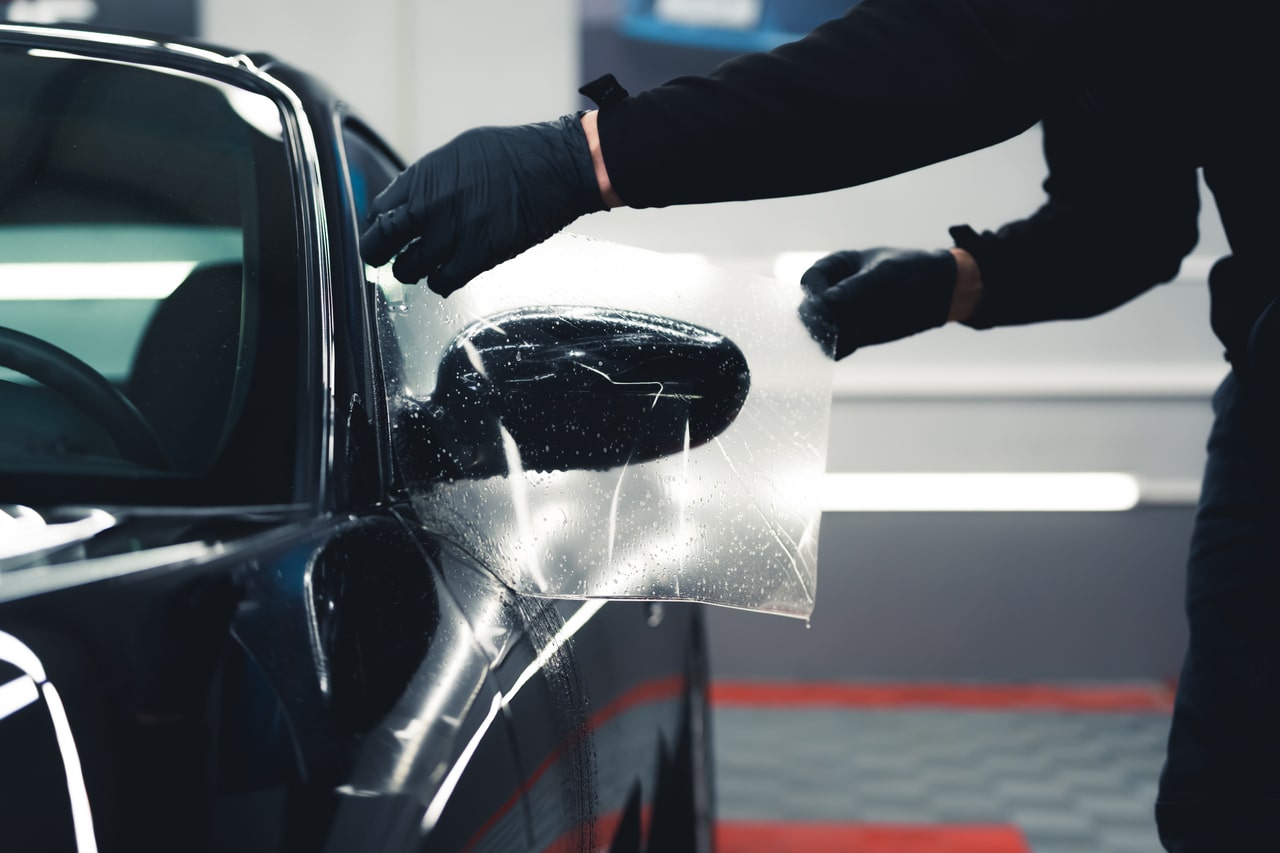
Thermal insulation (or heat tinting) is a transparent or semi-transparent film applied to the inside of a car’s windows. Its primary function is to reflect or absorb harmful solar radiation, especially ultraviolet (UV) and infrared (IR) rays, which are the main cause of heat buildup inside the vehicle.
Why Is Thermal Insulation Considered a Smart Investment?
1. Higher Thermal Comfort Inside the Car
Thermal insulation can reduce heat entry by up to 60–80%, making the interior temperature significantly lower, especially after parking in the sun for long periods.
Simply put, the car’s air conditioner won’t need to operate at maximum power all the time.
2. Reduced Fuel Consumption
When the air conditioning system works less, the engine consumes less fuel.
The daily difference may seem small, but over time it accumulates into real savings.
3. Protection of the Car’s Interior from Damage
Ultraviolet rays cause leather and fabric to fade and can lead to dashboard cracking.
Thermal insulation protects the interior and extends its lifespan.
4. Health Protection
Prolonged exposure to UV rays inside the car can harm the skin and eyes.
Thermal insulation can block up to 99% of these harmful rays.
5. Elegant Appearance and Enhanced Privacy
In addition to thermal benefits, insulation adds a premium, elegant look to the vehicle and increases privacy without affecting visibility from inside to outside—especially with modern film types.
Types of Automotive Thermal Insulation
Dyed Film:
The most affordable option. It relies on dye to reduce light but does not reflect heat effectively.
Metalized Film:
Contains a metallic layer that reflects heat efficiently, but it may interfere with mobile phone or GPS signals.
Carbon Film:
Provides excellent thermal insulation without affecting signals, with a stylish, non-reflective appearance.
Ceramic Film:
The newest and best option. It reflects heat and UV rays with very high efficiency and offers clear visibility even at night—however, it is the most expensive type.
Drawbacks and Points to Consider
- Initial Cost: Premium options such as ceramic film can be relatively expensive.
- Improper Installation: If not installed professionally, bubbles or peeling may appear after a short period.
- Local Regulations: Some countries regulate the allowed tint level, so make sure the insulation complies with traffic laws.
Is Thermal Insulation Worth the Investment?
The simple answer: Yes—absolutely.
Thermal insulation is not just about appearance; it provides comfort, protection, and long-term savings.
In a hot and sunny environment like ours, installing thermal insulation is not a luxury but a necessity for every driver who cares about their vehicle and personal comfort.
Tips Before Installing Thermal Insulation
- Choose a trusted company that offers a genuine warranty against peeling or color change.
- Ask about the infrared rejection (IR rejection) rate, not just the tint percentage.
- Make sure the insulation is approved by traffic authorities to avoid fines.
- Avoid opening the windows for 48 hours after installation to ensure proper film adhesion.